Sfora Festival

ABOUTSfora Festival

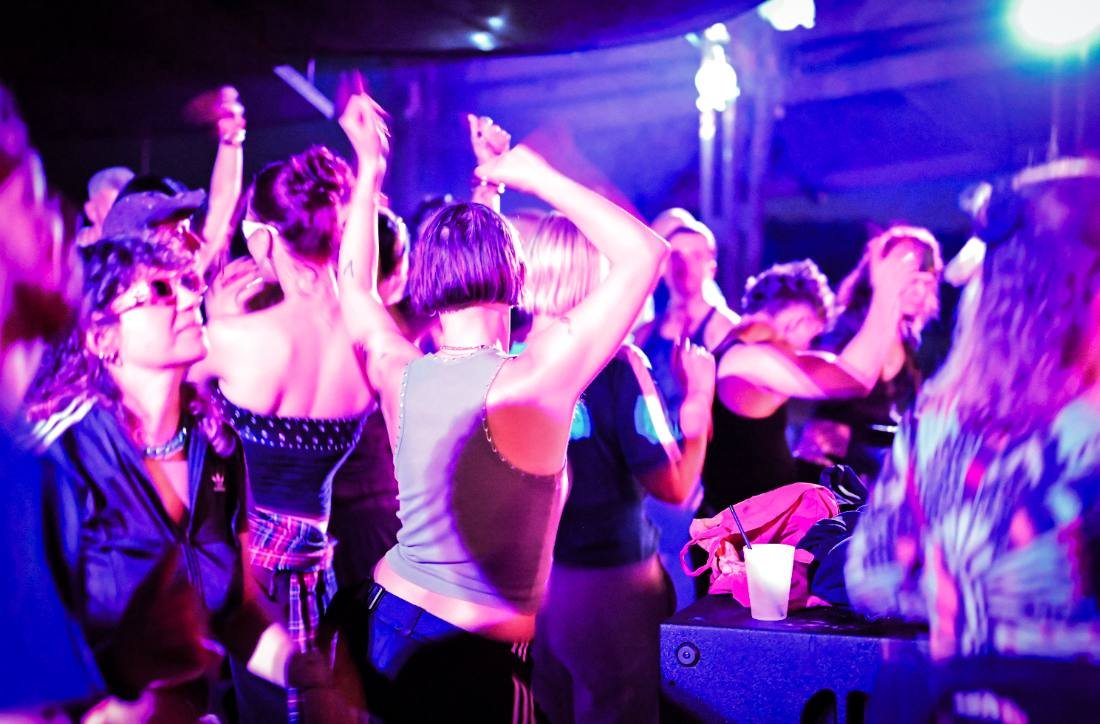
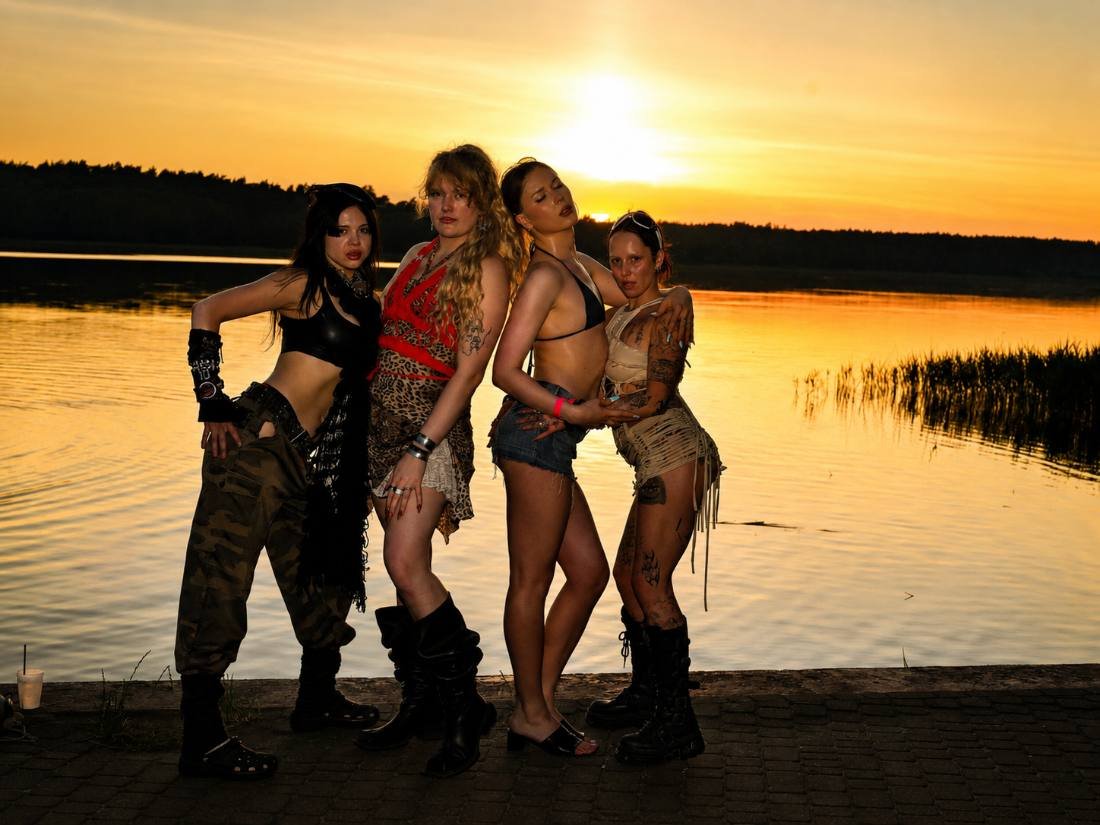
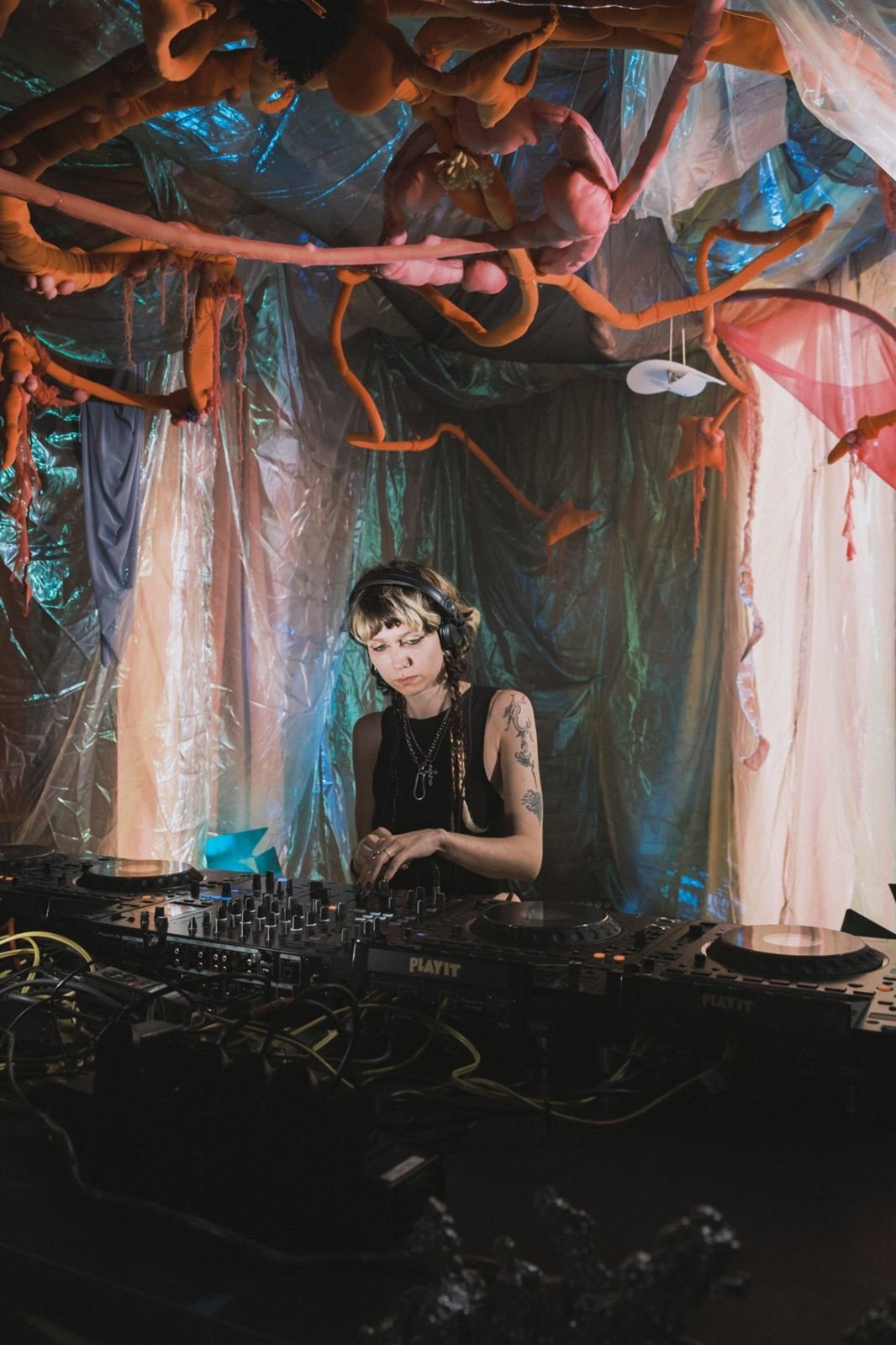
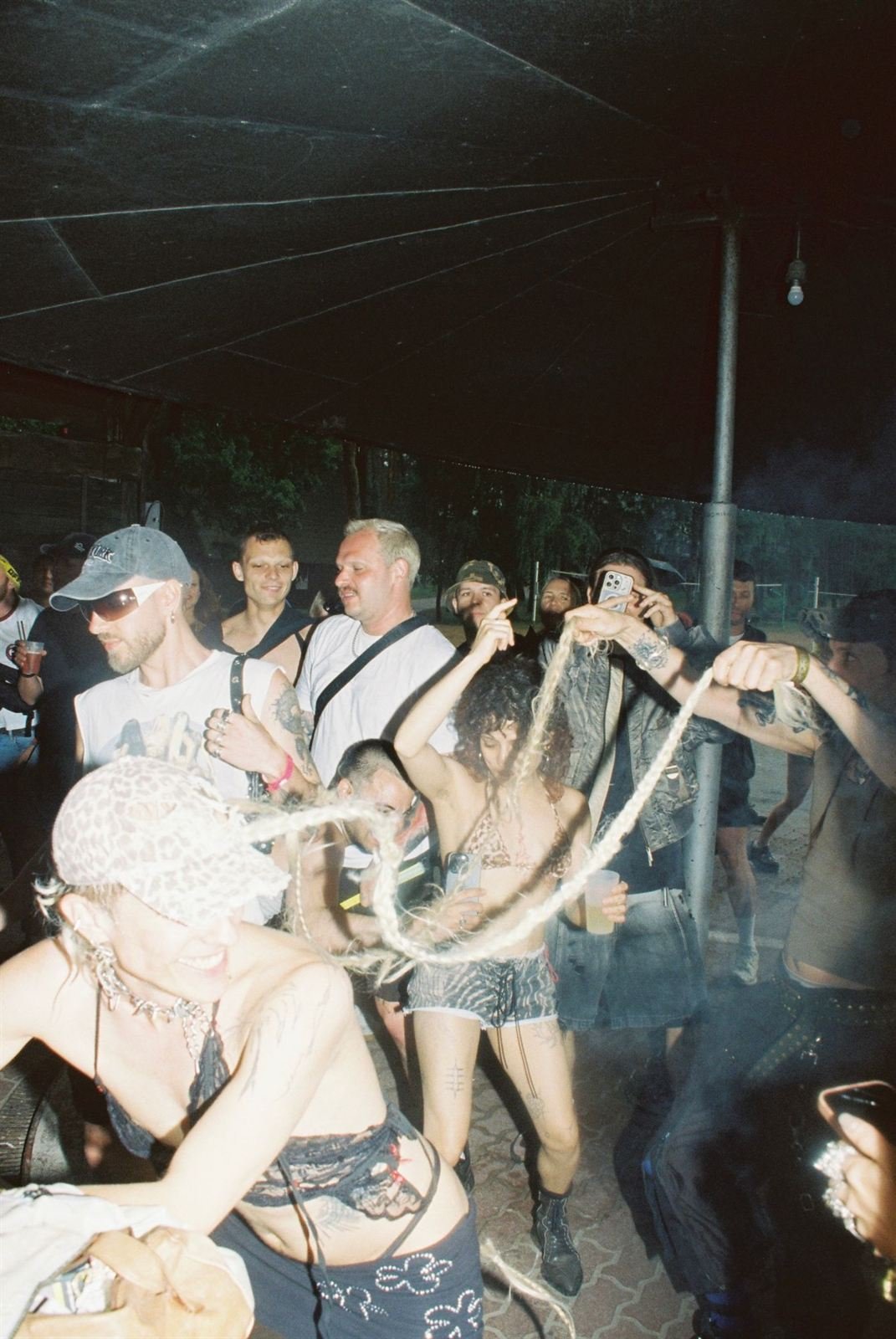
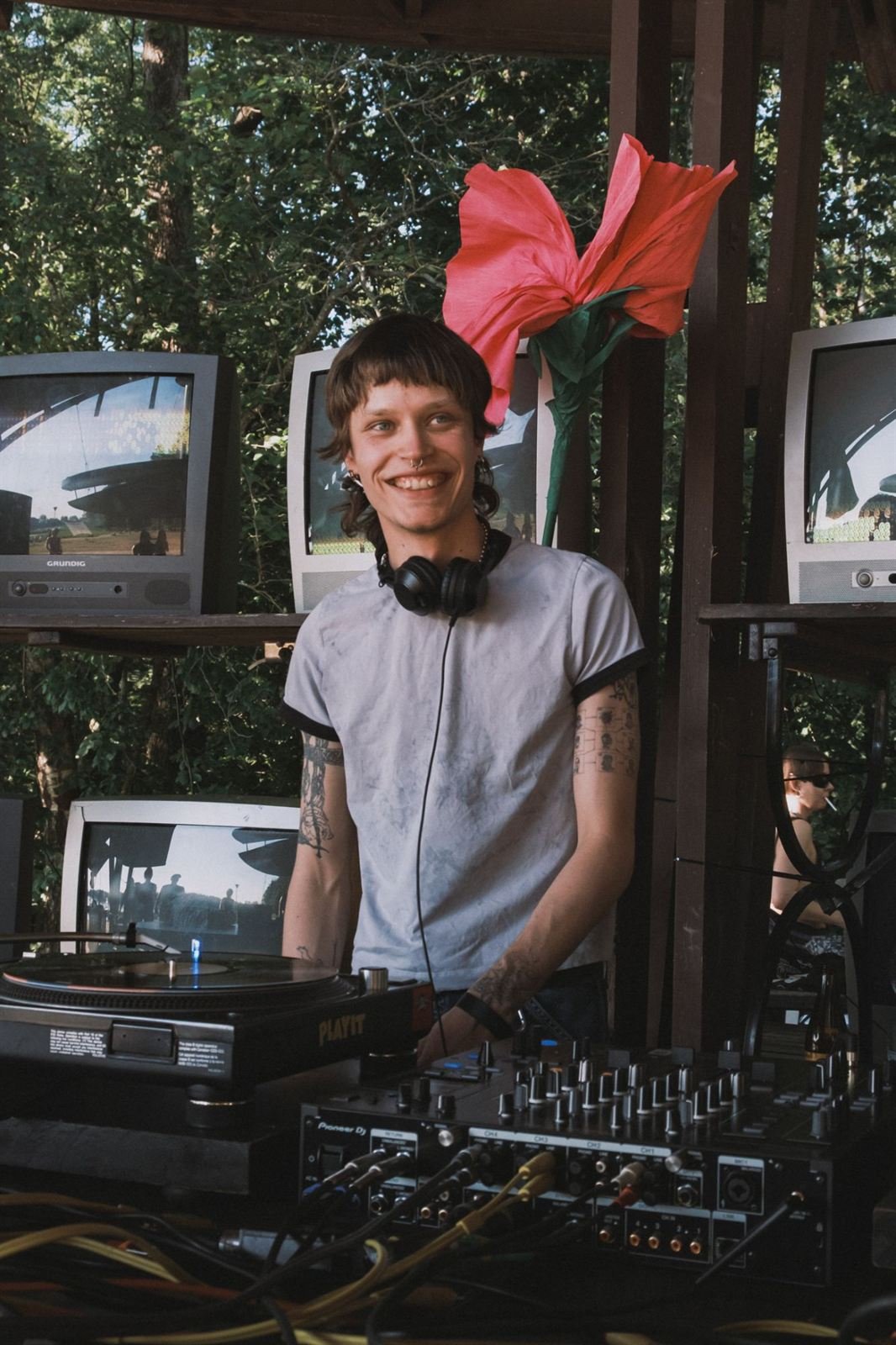
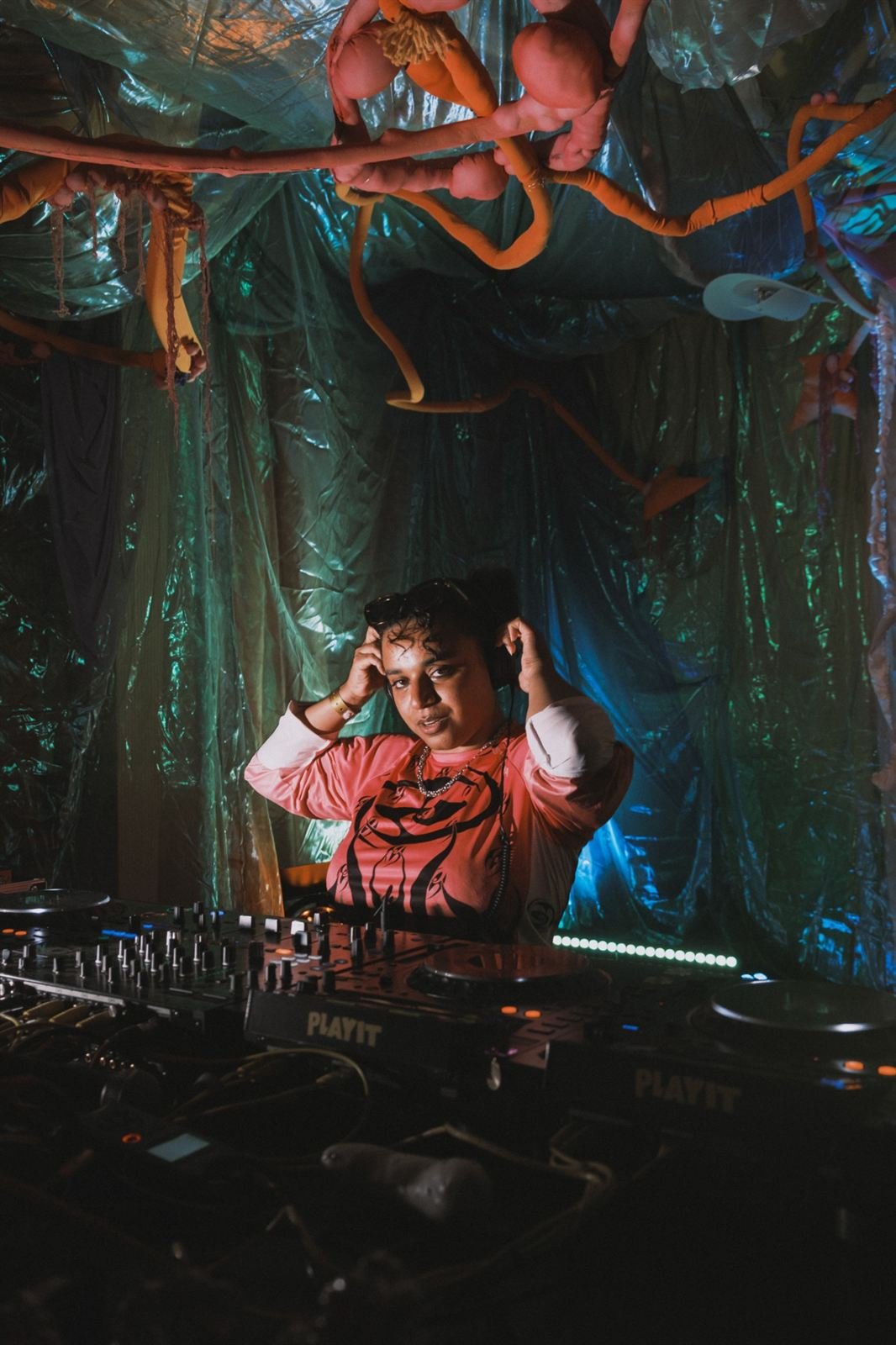
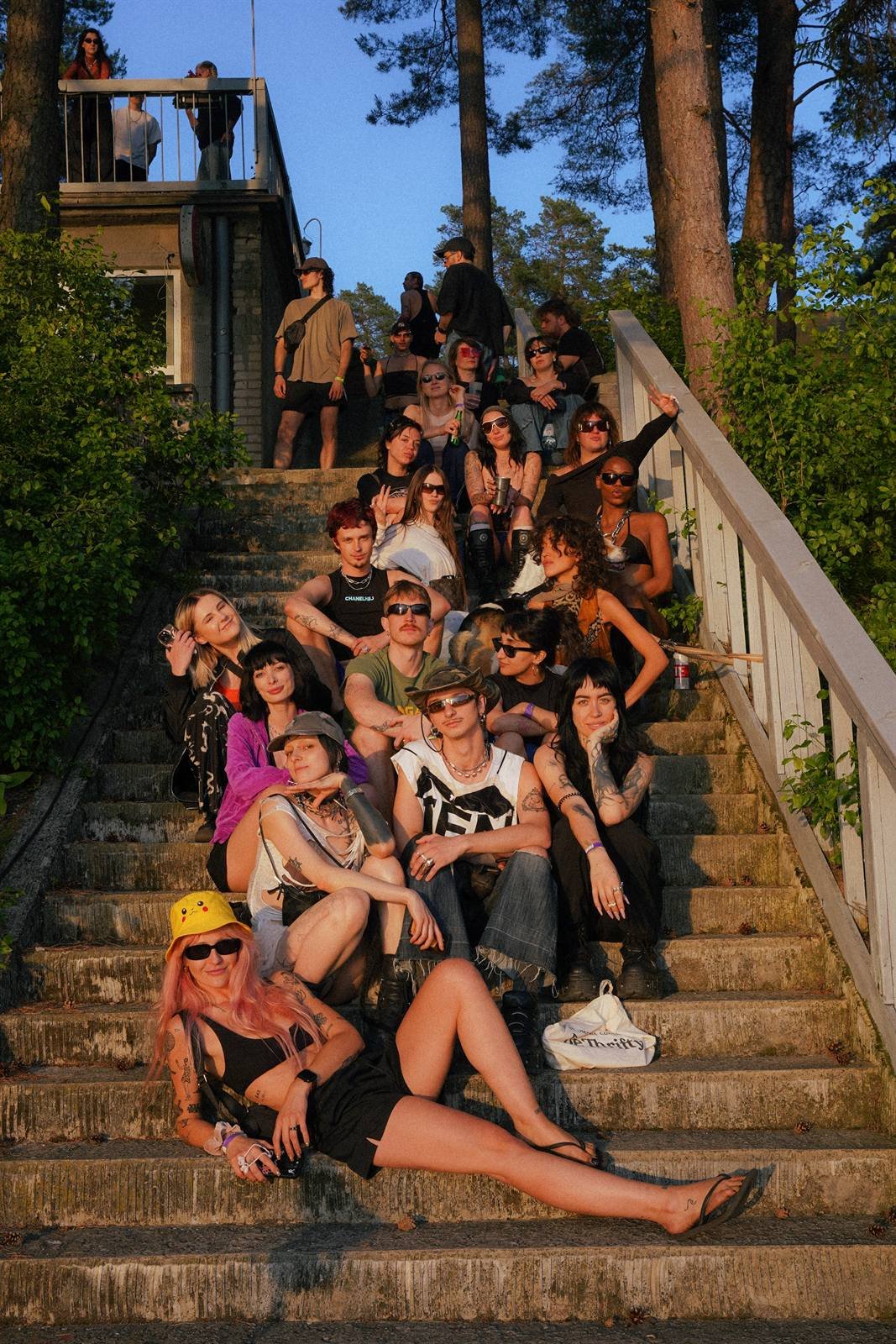
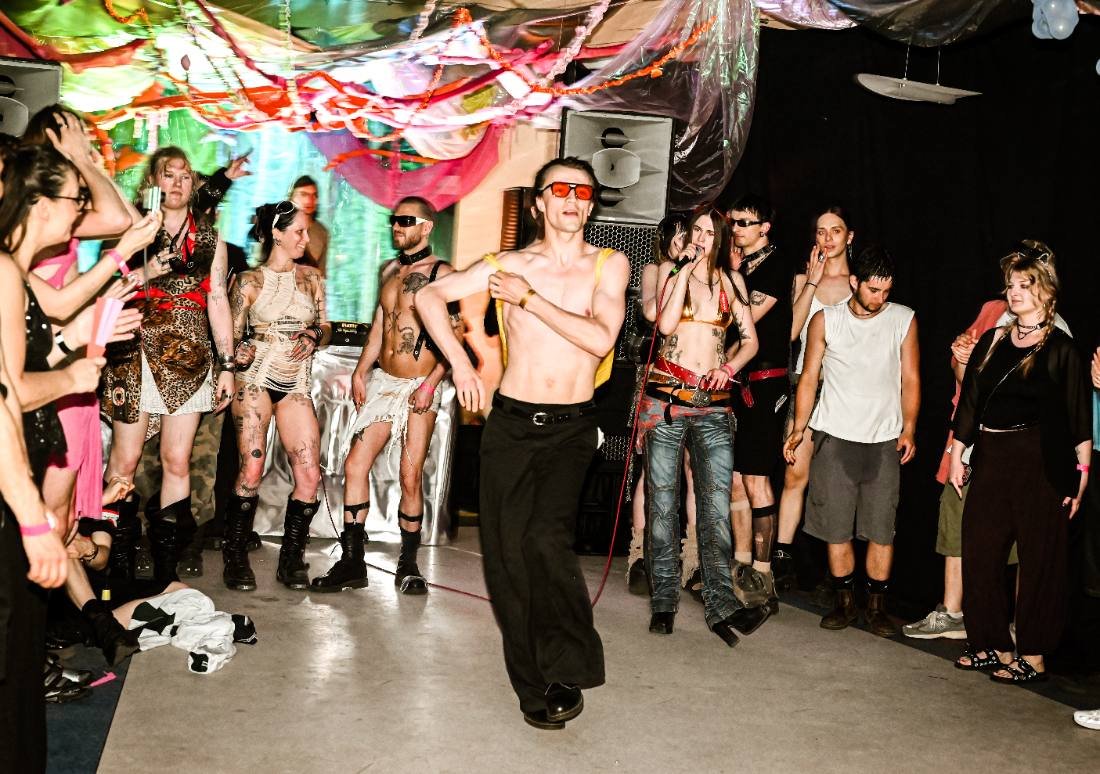
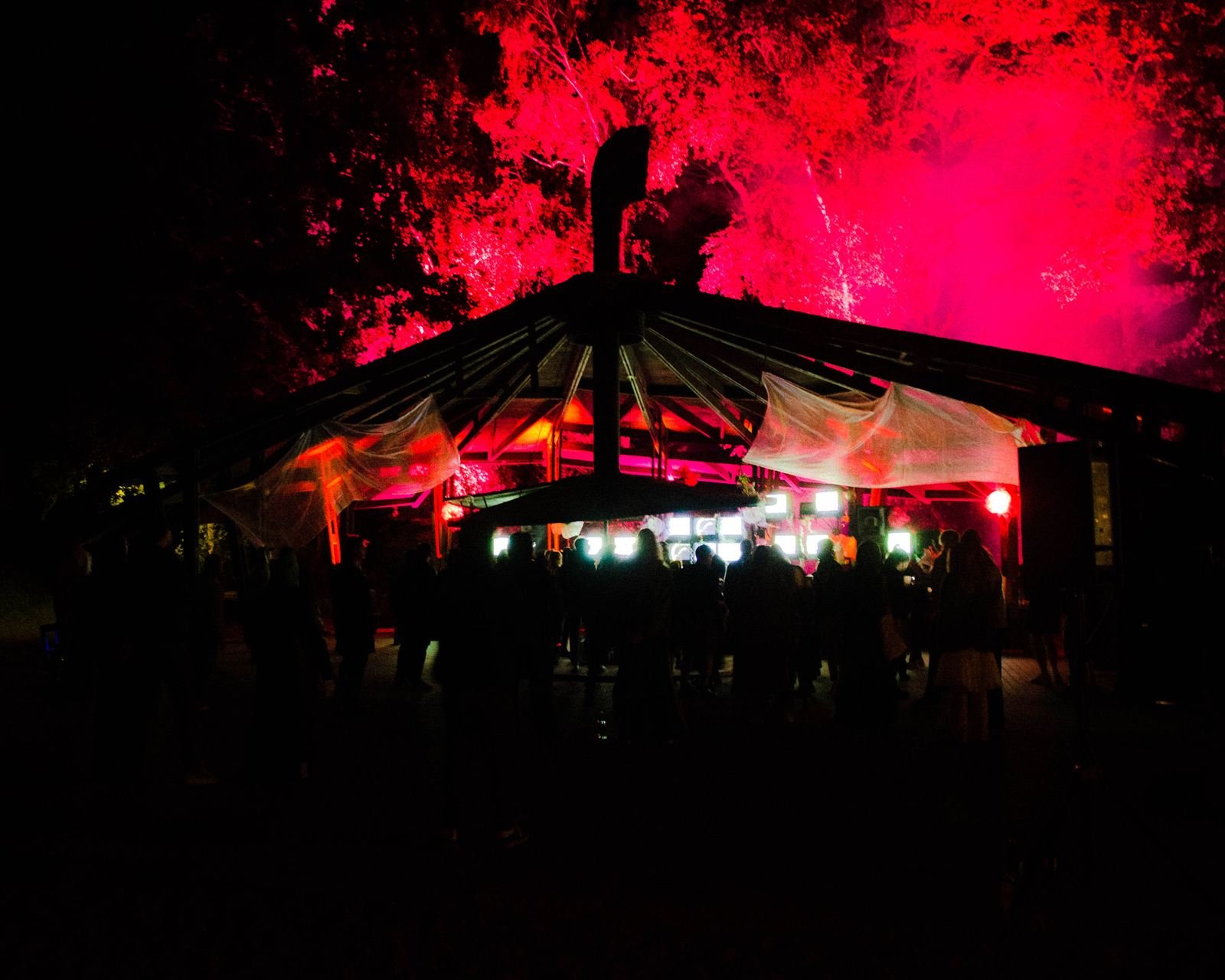
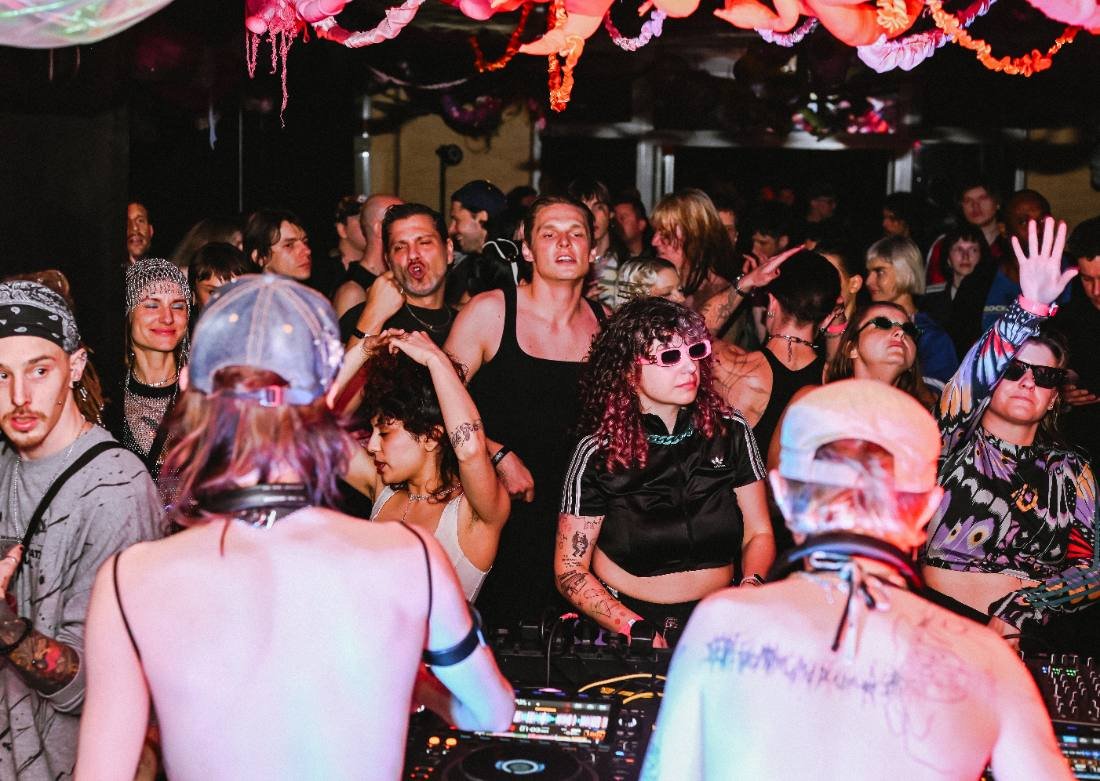
SFORA FESTIVAL transcends the boundaries of an ordinary festival – it is, above all, a community united by a love of sound, constantly developing its passion to share it with you. From our very inception, we have been a grassroots initiative driven by the desire to spend time collectively in a space that is safe for everyone, filled with carefully curated sounds. As every year, SFORA blends into the landscape of Lake Rajgrodzkie, creating a perfect marriage with nature. Thirty artists from Poland and abroad will power this endorphin plant with the finest sounds from genres such as techno, house, disco, bass, IDM, ambient, and experimental music. SFORA also offers workshops, performance art, film screenings, and visualisations.

Our values, grounded in tolerance and acceptance, are dear to everyone who creates SFORA – from the artists to the festival security – and are reflected in our gender-balanced line-up. An awareness team will be looking after your safety throughout the event. See you in Rajgród!

LOCATIONSfora Festival

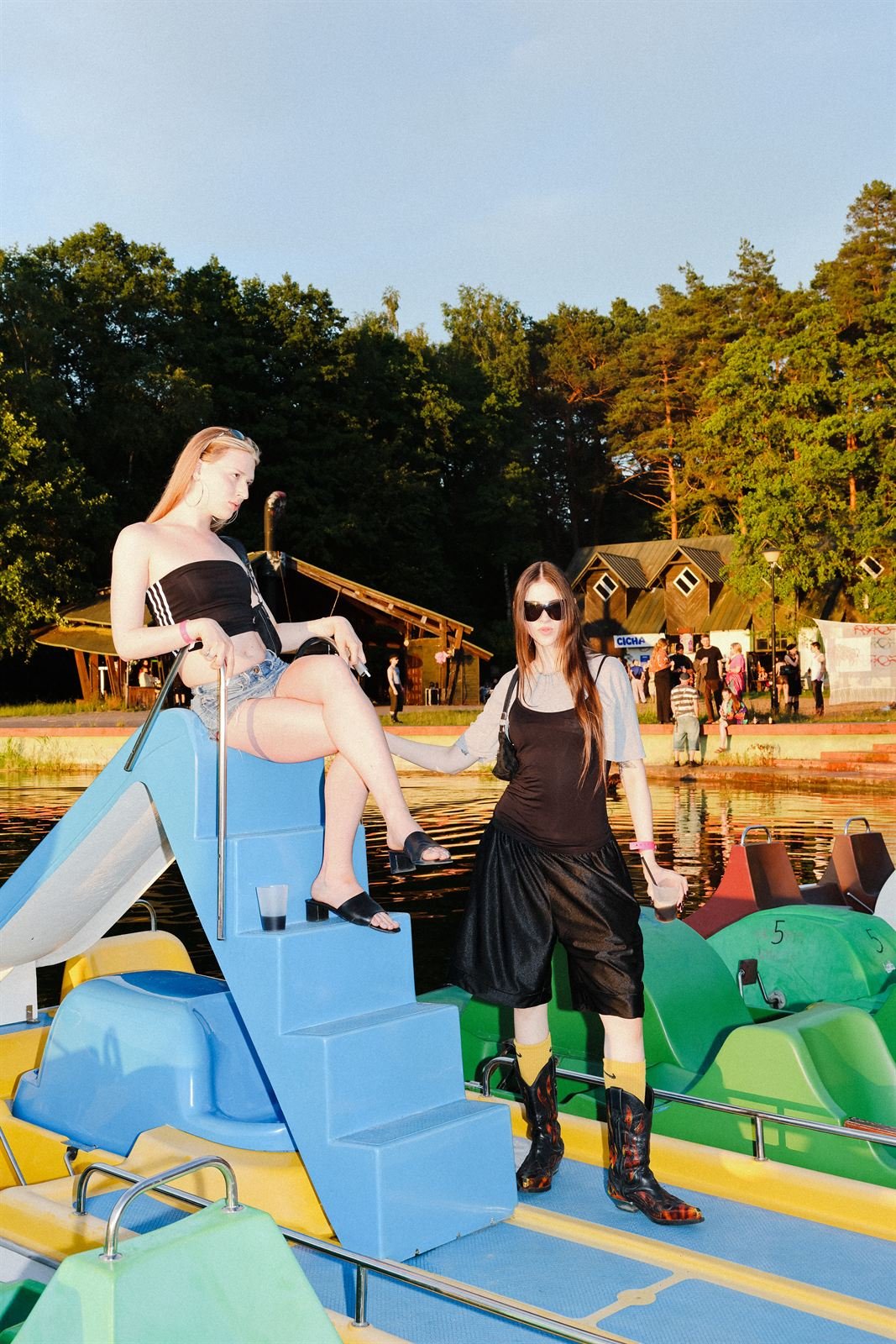
SFORA Festival takes place at the Energetyk and Knieja holiday resorts, situated by Lake Rajgrodzkie (Jezioro Rajgrodzkie). Festival attendees can stay in hotel rooms or at the campsite.
Beyond the artistic experiences, our guests can look forward to relaxing on well-maintained private beaches. Two canteens and a grill bar serving delicious homemade food, including vegan options, will provide the energy needed for the duration of the festival. For those keen on sport, a volleyball court and tennis courts are also available.

GETTING THERE na Sfora Festival

SFORA Festival is located just a three-hour drive north-east of the capital.

For those travelling without a car, we recommend:

  • arranging carpooling via our Telegram channel.
  • coach transfers on the Warsaw – SFORA route (limited availability).

PROGRAM 2026

Your favorite summer camp returns to Rajgród
June 19-21, 2026
Get your tickets now →

Music progam

997
ANDROGIENIA
ANYMATI
AVTOMAT
BMUNYLGUNS
BOSKIE BUENOS
CAMIVINA
DIV4
DJ NEUROSPICY
DOMEL
DYKTANDO
G3KKO
HUAMANISER
JESZCZE
KINGA
KITTY SARCASM
KRUSH KLUBB
KUXU
LARISSA
MATRIX3K
MATTIA
MONSTER
NULL RESPEKT
PALM BEACH KIDS
PAWEL (PL)
PLATTER
PRIVATE PRESS
RENI JUSIS
ROMANIUK
SOFTCHAOS
SPECTRIBE
TAMTEN
VIZRIL
XIM (BY)
-
-

Festival daytime program

We Want to Leap Over Fire and Leap Into Fire – Queer Rituals on Midsummer Night: SFORA Announces Its Daytime Festival Program

The daytime program of the SFORA festival emerges from the moment of the summer solstice—a time when daylight stretches almost to its limits and the boundary between the known and the unknown becomes porous.


Its point of departure is Midsummer Night, which falls during the festival—a celebration associated with nature, fire, water, the body, community, and ritual, later appropriated and rewritten by Christianity as Saint John’s Eve. This calendrical proximity is no coincidence. It stems from the Christianization of older folk customs rooted in pagan traditions.


SFORA, however, does not return to this history in order to reconstruct it. We are interested instead in what happens to tradition when it is removed from the fixed order of ritual and filtered through the body, queer experience, desire, movement, and play. Rather than reproducing a ready-made set of symbols and gestures, we reactivate the celebration on our own terms.


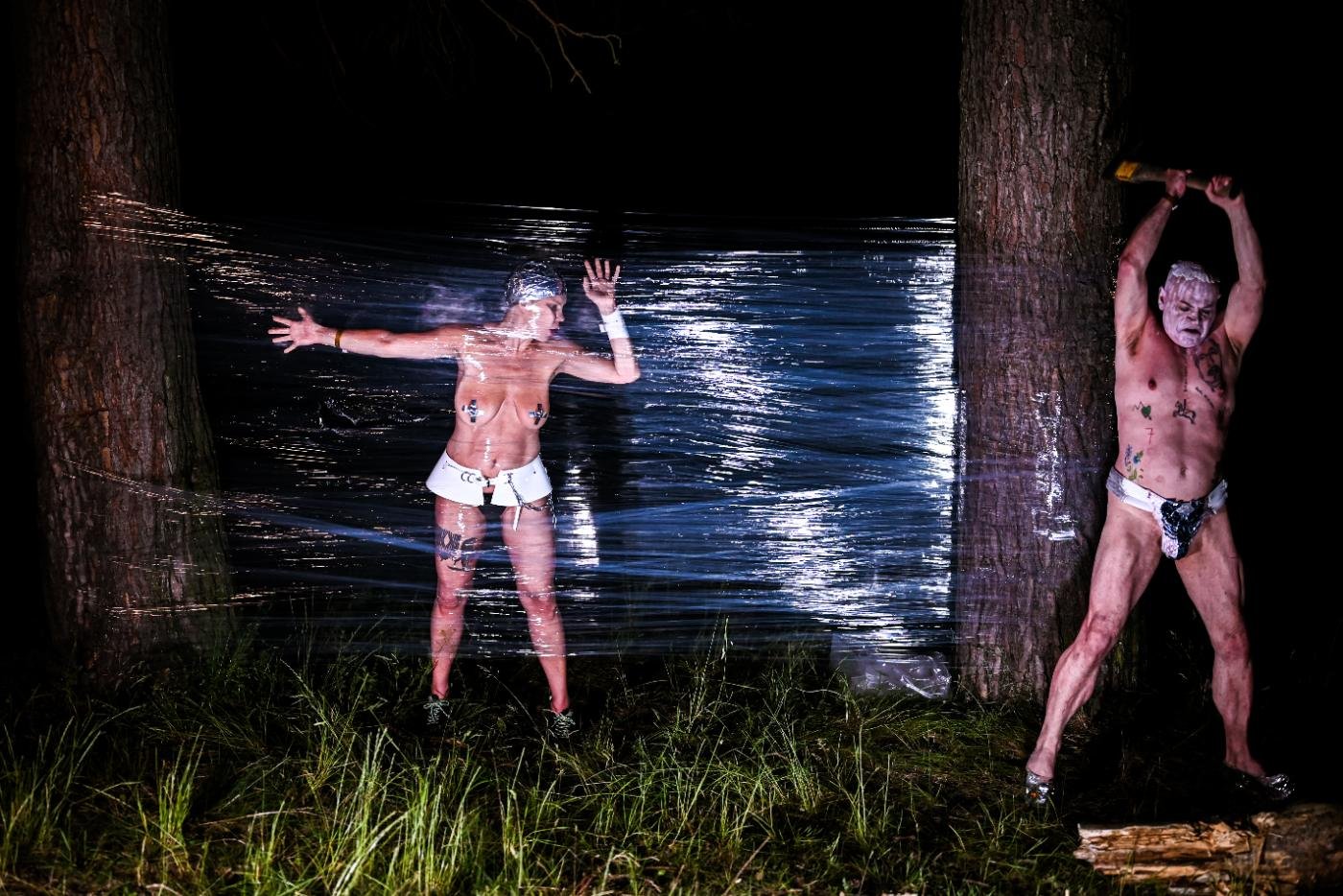
The performance program brings together choreographic, movement-based, and dance practices, drag performances, ballroom, voguing, poetry, site-specific actions, and collective practices of presence. Performances by Dana Ozeri, Lagoona Aqua Pussy, Hiemera, Hrabina, and Leon Dziemaszkiewicz, alongside a ballroom jam led by Mother Bożna Elle, open a space of intensity, expression, and collective energy.
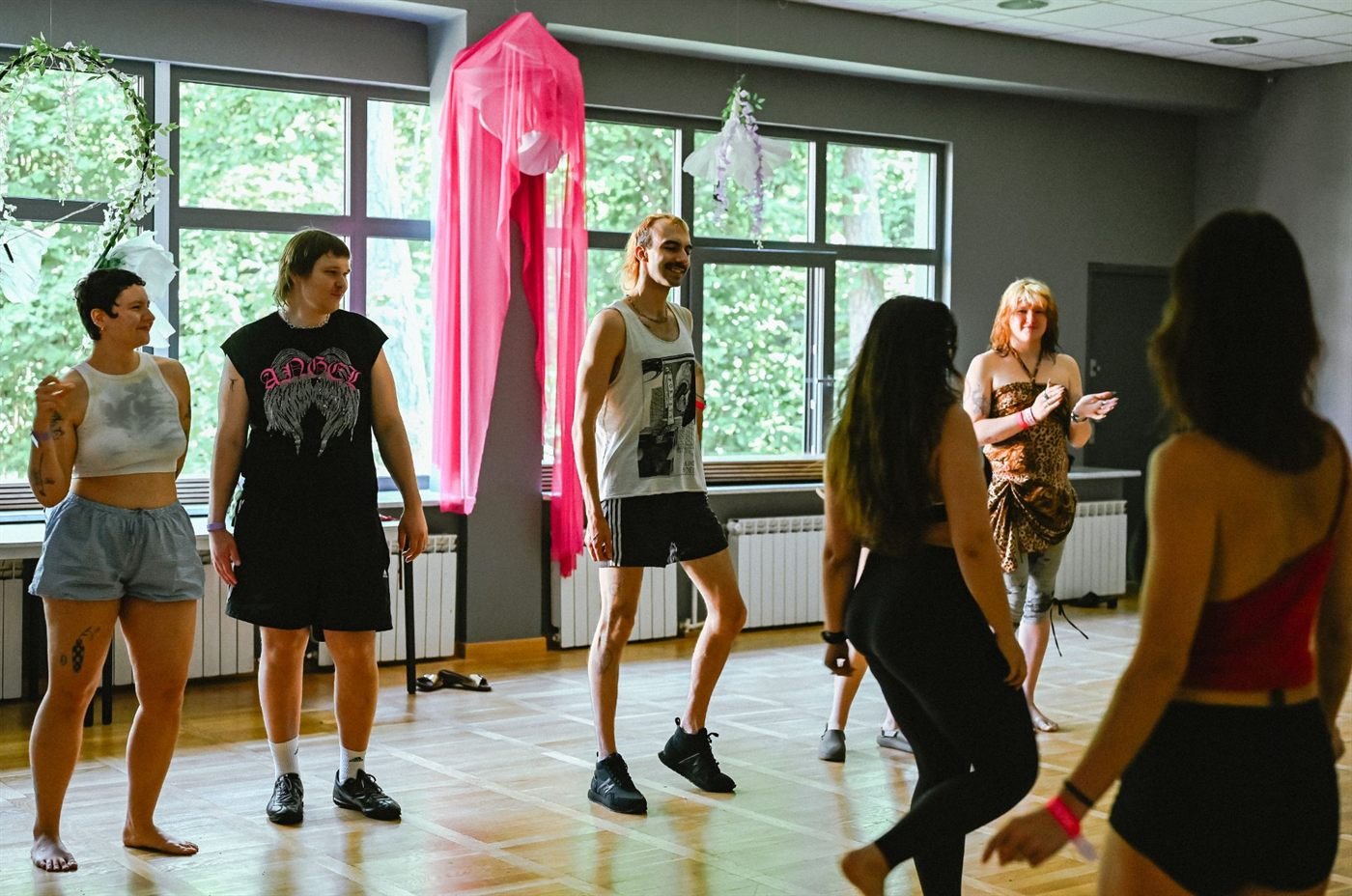
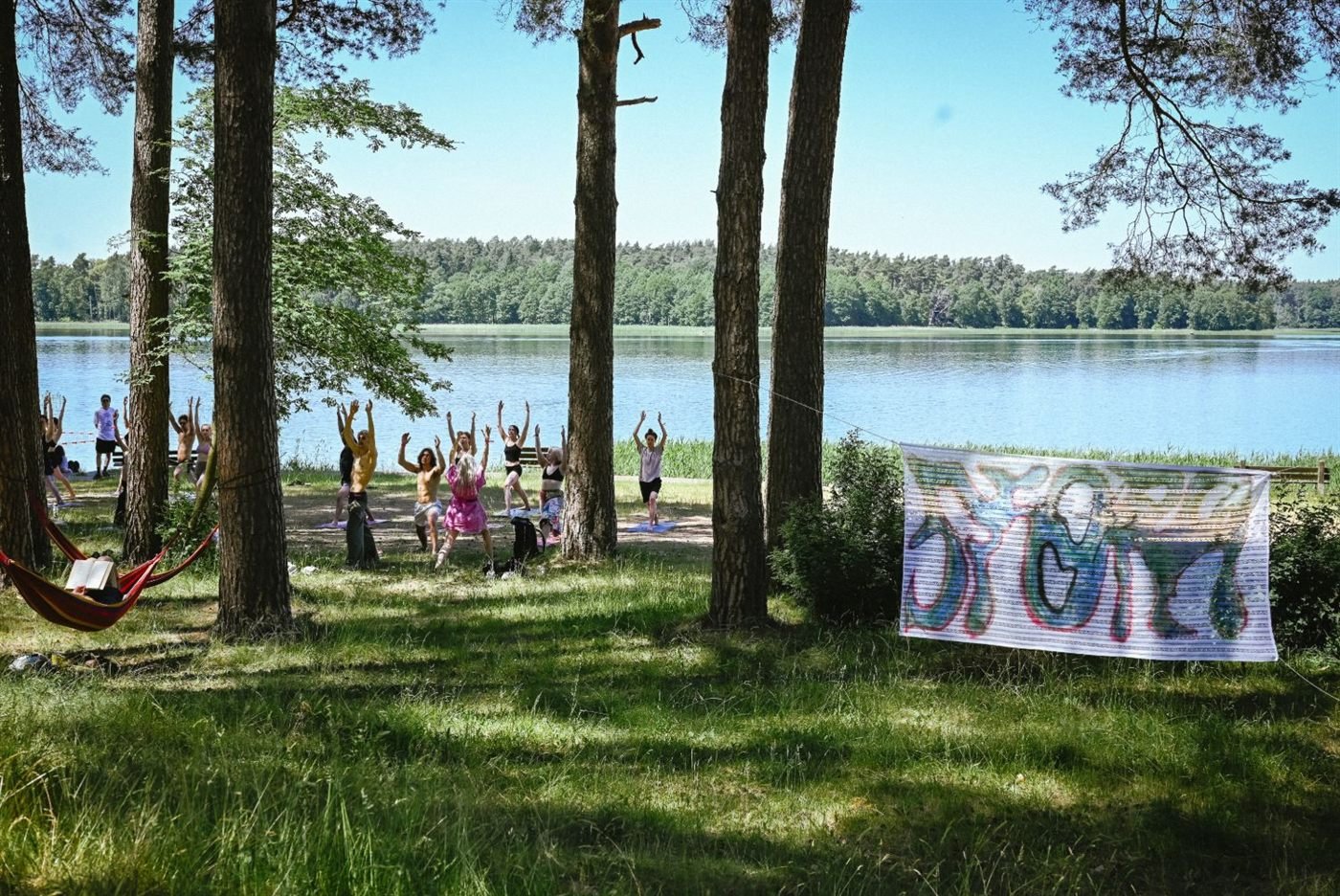
Workshops include voguing with Mother Dana Elle, Abstract Impro Dance led by Wiktor Klimaszewski, Martyna Ksyta’s poetic practice, Relax in Chaos by Szymon Atis Brakoniecki, and yoga sessions led by Eliza. Together, they create space for more intuitive and relational forms of participation—grounded in movement, attentiveness, exploration, and work with the body and language. Martyna Ksyta’s poetry workshops focus on everyday observations, emotions, and creative mindfulness, treating poetry as a tool for experimentation and intimate documentation of experience. A gathering on music production led by Adam Brocki expands the program through the exchange of experiences and collective reflection on the creative process.


Each of these activities activates different tensions. Drag transforms identity into spectacle and a tool of freedom, deconstructing cultural frameworks of gender and visibility. Voguing pays tribute to queer communities that have spent decades creating their own languages of pride, expression, and survival. Choreography and improvisation approach the body as a site of memory, transformation, and the possibility of transcendence. Poetry opens a space for what is intimate, everyday, and difficult to name.


The program is complemented by short films curated by Patricia Puentes, discussion panels, and food by Julia Cichocka, together creating a temporary space of community, conversation, and the circulation of experiences.


The SFORA daytime program does not function as an “aftercare” space for the festival’s nighttime events. Rather, it extends the festival into a different frequency—one that is softer, more relational, and fluid. We are interested in the festival not merely as a sequence of events, but as a temporary form of being together: a space for encounter, experimentation, rest, self-performance, and the co-creation of a momentary community.


Here, Midsummer Night becomes a field of transgression—a moment of passage between water and fire, darkness and light, ritual and performance, community and individual experience. Water carries flow, regeneration, and the possibility of change. Fire evokes intensity, risk, desire, and the chance to burn away what no longer serves us. Between these elements emerges a space for a body that refuses to be read according to established norms.


We are interested in tradition that is appropriated, rewritten, and reinvented; tradition that does not stand still but works through bodies, relationships, and gestures; tradition that can be unruly, sensual, communal, wild, tender, and excessive. Rather than asking what tradition once was, we ask what it might become. What voices can be written into it? Can ritual become a site of emancipation, freedom, and queer community? Must ritual refer only to the repetition of the past?


We do not want to return to the source. We want to leap over fire and leap into fire. We want to enter the water to wash from our bodies the roles, expectations, and systems imposed upon us. We want to cross the boundary of the known and invite you to remain with us in rituals where one can appear beyond the norm, beyond measure, beyond shame—together.

Curatorial Team: Mac Lewandowski / DiV4, Klaudia Ciepłucha, Michał Rej, Damian Cieślewicz
Text: Mac Lewandowski / DiV4, Klaudia Ciepłucha